
Предоставить вам различные характеристики продукции и услуг поршневых и плунжерных насосов.
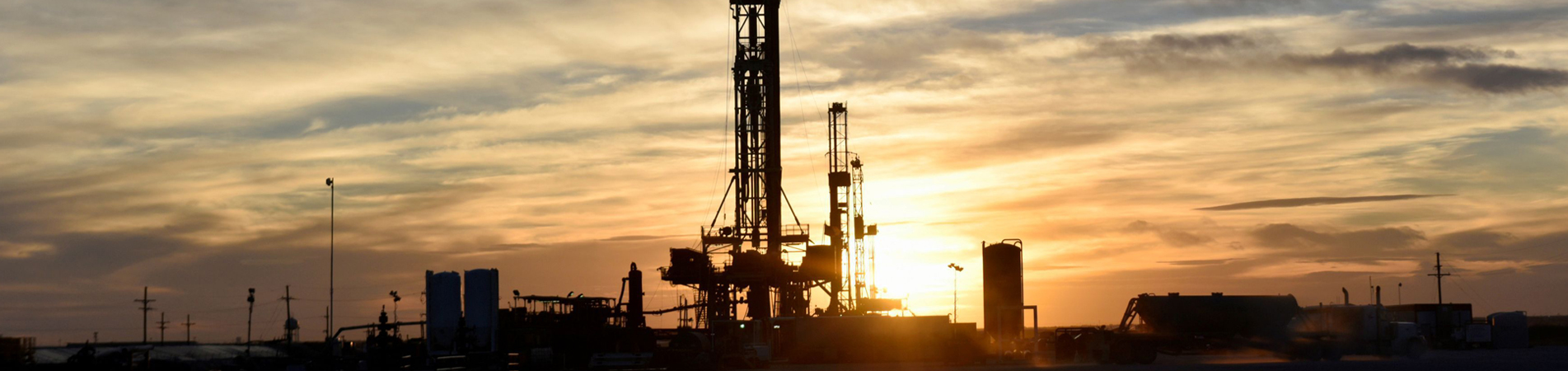
The насос для испытания под давлениемСлужит инструментом для проверки и калибровки оборудования, работающего под давлением, и его основная функция заключается в обеспечении стабильности и безопасности устройств в условиях изменяющегося давления. Выбор подходящего насоса для испытаний под давлением требует комплексного анализа таких факторов, как диапазон давления объекта испытаний, тип среды и условия эксплуатации. Кроме того, необходимо учитывать требования к точности оборудования и простоту эксплуатации, чтобы гарантировать надёжность результатов испытаний и повысить эффективность работы.
1. Диапазон давления
При выборе насоса для испытаний под давлением первостепенное значение имеет диапазон давления. Требования к давлению для различного оборудования существенно различаются, поэтому крайне важно чётко определить рабочий диапазон давления объекта испытаний. Испытательный насос с недостаточным диапазоном давления не сможет удовлетворить потребности в испытаниях оборудования высокого давления; наоборот, чрезмерно большой диапазон может снизить точность или привести к непроизводительному расходу ресурсов. Кроме того, необходимо учитывать максимальное давление, которое может выдержать испытательный насос, чтобы избежать угроз безопасности, вызванных скачками давления.
2. Средний тип
При выборе типа среды необходимо четко определить свойства жидкости или газа, участвующих в испытании. Различные среды могут предъявлять особые требования к материалу и герметичности испытательного насоса. Например, для коррозионных сред требуются коррозионно-стойкие материалы для обеспечения долгосрочной стабильной работы. Такие характеристики, как вязкость, температура и наличие твердых частиц, также влияют на выбор испытательного насоса и должны соответствовать конкретной области применения.
3. Факторы окружающей среды
Такие факторы окружающей среды, как температура, влажность и вибрация, могут влиять на производительность насосов для испытаний под давлением. В условиях высокой или низкой температуры выбирайте оборудование, подходящее для соответствующего температурного диапазона, чтобы обеспечить нормальную работу. При высокой влажности следует учитывать влагостойкость устройства, чтобы предотвратить попадание влаги на внутренние компоненты и их повреждение. Если место испытания подвергается сильной вибрации, выбирайте виброустойчивый насос, чтобы предотвратить неточности измерений или отказ оборудования.
4. Требования к точности
При выборе насоса для испытания под давлением требования к точности являются критически важным фактором. Высокоточное оборудование обеспечивает надежные данные и подходит для условий, требующих строгого контроля колебаний давления. Для соответствия требованиям к точности необходимо обеспечить стабильность и повторяемость работы оборудования, чтобы избежать ошибок и дополнительных калибровок, вызванных колебаниями данных.
5. Портативность
Портативность — важный фактор при выборе насосов для испытаний под давлением. В ситуациях, требующих частого перемещения или использования на нескольких объектах, вес, размер и удобство транспортировки устройства напрямую влияют на эффективность его работы. Лёгкие насосы для испытаний снижают нагрузку на оператора, а компактная конструкция облегчает хранение и транспортировку.
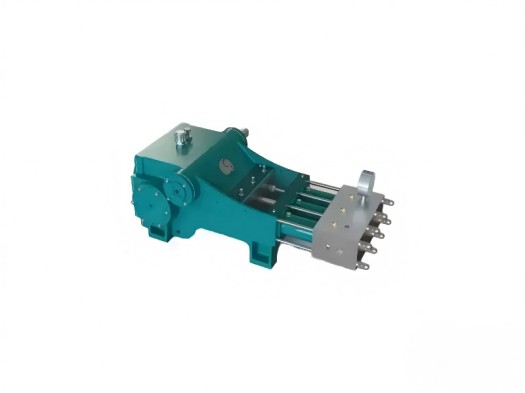
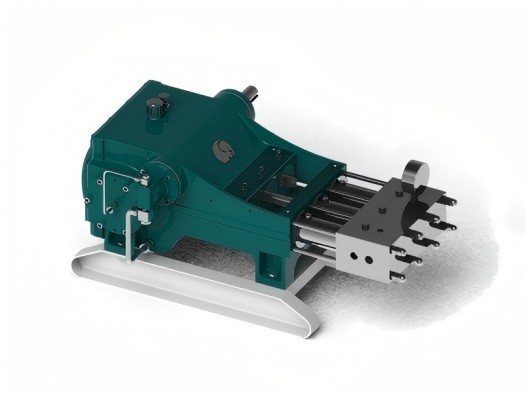
Насосы для испытания под давлением Elephant Machinery обычно плунжерные насосы, разработанный с учетом реальных потребностей пользователей. Мы также предлагаем индивидуальные решения. поршневой насосРешения для наших клиентов. Если у вас есть какие-либо испытания под давлением или насос высокого давления Если у вас есть вопросы, обращайтесь к нам в любое время!

Предоставить вам различные характеристики продукции и услуг поршневых и плунжерных насосов.
Связаться с нами
Если вы заинтересованы в наших продуктах, пожалуйста, свяжитесь с нами, мы предоставим вам подходящие услуги.
 +86 18110351348
 Электронная почта
: louise.zhang@c-elephant.com
Электронная почта
: louise.zhang@c-elephant.com
 Адрес
: Room 909, Building 4, No. 109 Software Avenue, Nanjing City, Jiangsu, China</br></br>No. 58 Guan Hua West Road, Jianhu County, Yancheng City, Jiangsu Province, China
Адрес
: Room 909, Building 4, No. 109 Software Avenue, Nanjing City, Jiangsu, China</br></br>No. 58 Guan Hua West Road, Jianhu County, Yancheng City, Jiangsu Province, China
Пожалуйста, читайте дальше, следите за новостями, подписывайтесь. и мы приветствуем вас, чтобы сказать нам, что вы думаете.
Мы никогда не будем делиться или продавать вашу электронную почту. Мы также обещаем не засорять ваш почтовый ящик.


 Поддерживается сеть IPv6
Карта сайта
| Xml | блог
| политика конфиденциальности
Поддерживается сеть IPv6
Карта сайта
| Xml | блог
| политика конфиденциальности