
Предоставить вам различные характеристики продукции и услуг поршневых и плунжерных насосов.

В промышленных котельных системах насос подачи воды в котелявляется основным компонентом. Хотя многоступенчатые центробежные насосы обладают такими преимуществами, как высокая производительность и плавная работа, существуют определенные условия эксплуатации, при которых... поршневой насосЭто лучший выбор.
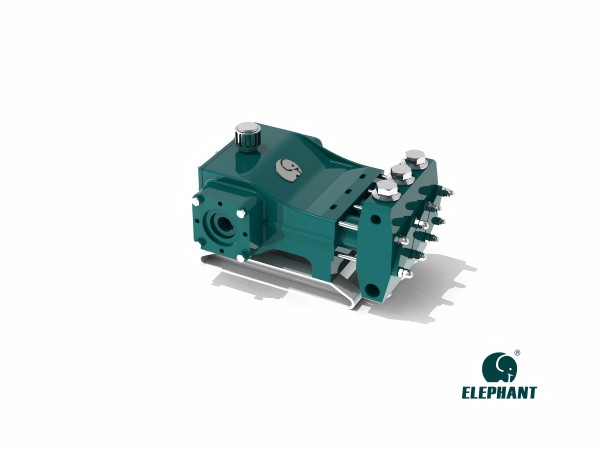
1.Высокое давление, низкий расход
Когда котельной системе необходимо преодолевать высокое давление, но фактическая потребность в воде ограничена, многоступенчатые центробежные насосы часто испытывают резкое падение эффективности и не могут работать стабильно. В отличие от них, поршневые насосыработает по другому принципу, являясь представителем объемные насосыИх производительность по потоку зависит главным образом от поршеньОбъем хода поршня и частота возвратно-поступательных движений, и по существу не зависят от давления на выходе.
2.Регулируемая точность
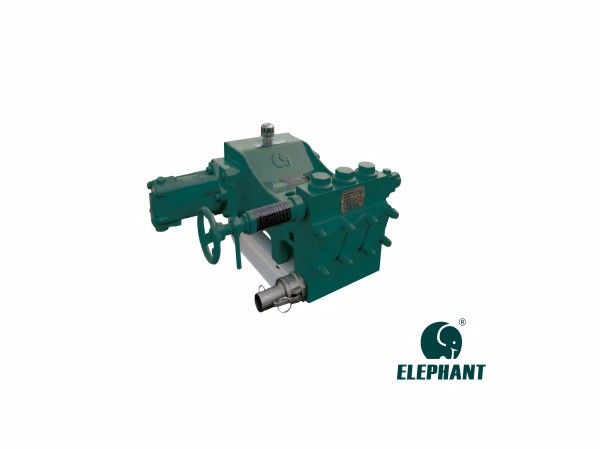
Еще одно существенное преимущество поршневые насосыИх отличительной чертой является высокая точность регулирования расхода. В отличие от методов косвенного регулирования, используемых в центробежных насосах, поршневые насосы позволяют линейно контролировать расход путем прямого изменения параметров. поршеньДлина хода поршня или регулировка скорости вращения коленчатого вала. Этот механизм регулирования быстро реагирует, обеспечивает высокую повторяемость и минимизирует погрешности — качества, которые имеют решающее значение для котельных систем, требующих строгого поддержания уровня воды в барабане.
3. Свойства жидкости
В системах подачи воды в котлы выбор типа насоса определяется свойствами подаваемой жидкости. Поршневые насосыОни обладают большей адаптивностью и устойчивостью к высоковязким газосодержащим средам. Когда питательная среда котла содержит конденсатное масло, химические добавки или находится в низкотемпературном высоковязком состоянии, эффективность рабочего колеса центробежных насосов снижается, или они могут даже выйти из строя, в то время как объемная эффективность поршневых насосов в меньшей степени зависит от вязкости, что позволяет им обеспечивать стабильный расход. Кроме того, поршневые насосы обладают преимуществами совместимости материалов при высоких температурах. высокое давлениеусловия эксплуатации и обеспечивают большую гибкость в отношении химической совместимости с качеством корма.
4. Простота в обслуживании
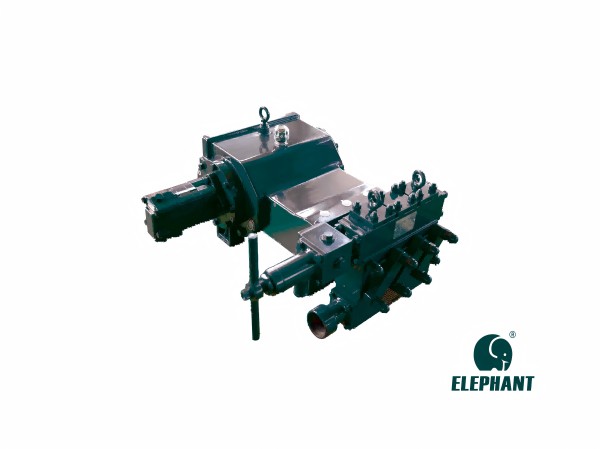
Поршневые насосыБлагодаря своей конструкции, поршневые насосы легко обслуживать в системах подачи воды в котлы. В отличие от многоступенчатых центробежных насосов, которые имеют сложные рабочие колеса, направляющие лопатки и прецизионные системы уплотнения, основные компоненты поршневых насосов — поршеньЦилиндрическая гильза и клапанный узел спроектированы как независимые модули. Процедуры их разборки и сборки просты, что позволяет проводить техническое обслуживание на месте без необходимости использования специального подъемного оборудования.
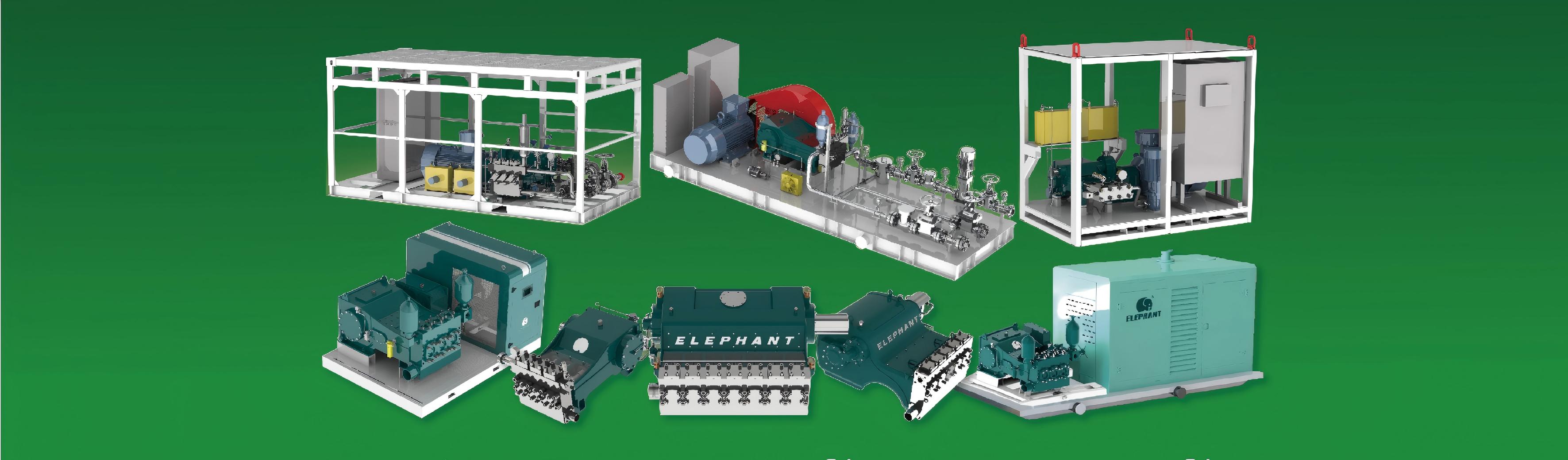
Когда котельная система работает в следующих условиях:высокое давлениенизкий расход и чрезвычайно широкие колебания нагрузки, а поршневой насосЭто отличный выбор. Компания Elephant Machinery разработала различные модели. трехпоршневые насосы для обеспечения потребностей в питательной воде для котлов. Если у вас возникнут какие-либо вопросы, пожалуйста, свяжитесь с нами в любое время!

Предоставить вам различные характеристики продукции и услуг поршневых и плунжерных насосов.
Связаться с нами
Если вы заинтересованы в наших продуктах, пожалуйста, свяжитесь с нами, мы предоставим вам подходящие услуги.
 +86 18110351348
 Электронная почта
: louise.zhang@c-elephant.com
Электронная почта
: louise.zhang@c-elephant.com
 Адрес
: Room 909, Building 4, No. 109 Software Avenue, Nanjing City, Jiangsu, China</br></br>No. 58 Guan Hua West Road, Jianhu County, Yancheng City, Jiangsu Province, China
Адрес
: Room 909, Building 4, No. 109 Software Avenue, Nanjing City, Jiangsu, China</br></br>No. 58 Guan Hua West Road, Jianhu County, Yancheng City, Jiangsu Province, China
Пожалуйста, читайте дальше, следите за новостями, подписывайтесь. и мы приветствуем вас, чтобы сказать нам, что вы думаете.
Мы никогда не будем делиться или продавать вашу электронную почту. Мы также обещаем не засорять ваш почтовый ящик.


 Поддерживается сеть IPv6
Карта сайта
| Xml | блог
| политика конфиденциальности
Поддерживается сеть IPv6
Карта сайта
| Xml | блог
| политика конфиденциальности